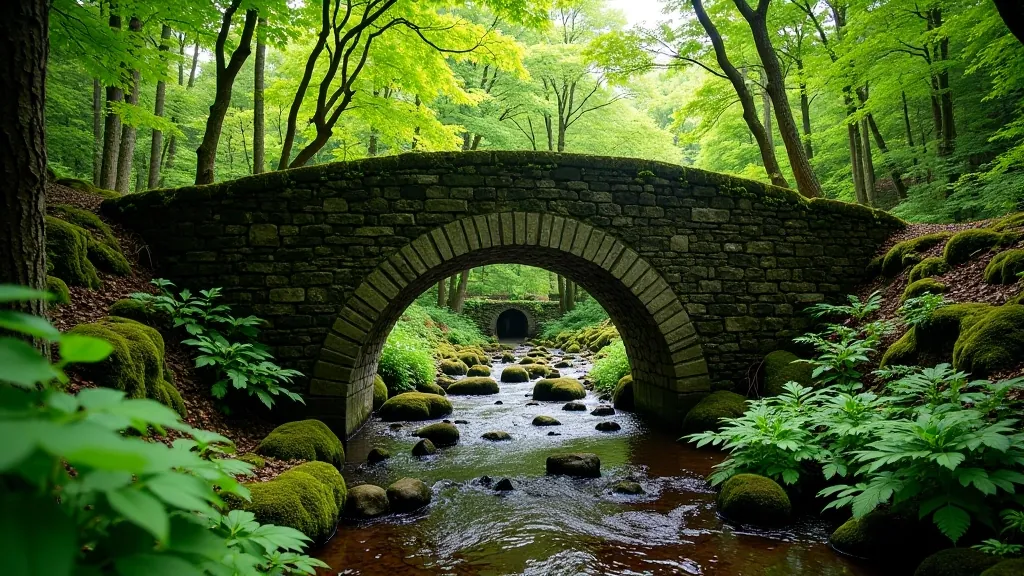
The Lady's Valley Loop — Gentle and Scenic
A flat 2-kilometer loop through the prettiest part of the reserve. Takes about 45 minutes at a relaxed pace.
Glengarriff's birds, deer, and woodland creatures. Best times to spot wildlife. How to walk quietly without disturbing animals. Binoculars recommended but not essential.

You don't need to be an expert birdwatcher or naturalist to enjoy spotting wildlife in Glengarriff. The woods here are genuinely alive with creatures — you'll see them if you know where to look and when to visit. The reserve sits in a sheltered valley that's perfect for all kinds of woodland animals.
Most visitors are surprised by how close you can get to wildlife if you move slowly and stay quiet. We've had walkers spot red squirrels, muntjac deer, and dozens of bird species on a single morning walk. The key isn't fancy equipment — it's patience and the right approach.
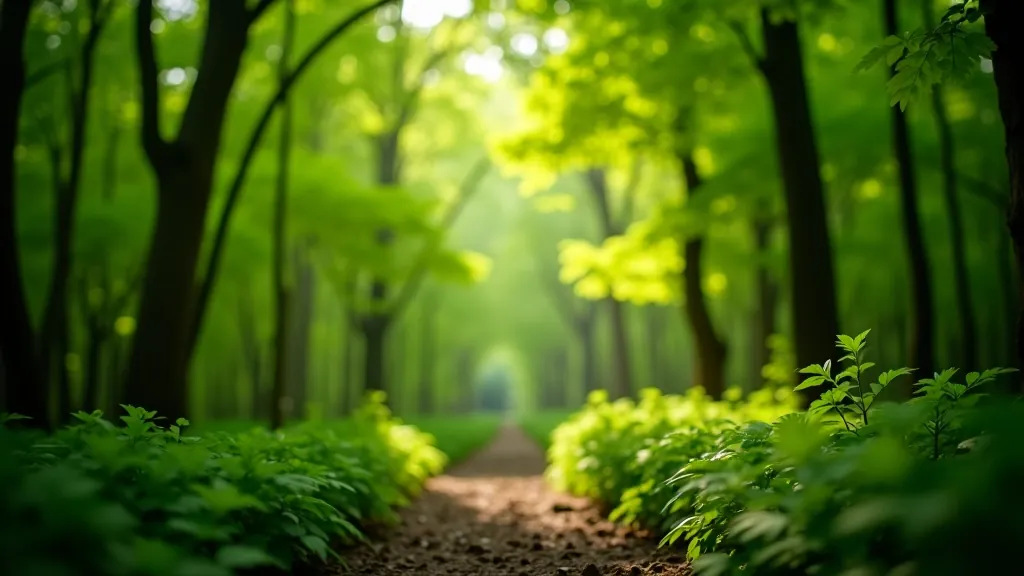
Birds are the easiest wildlife to spot in Glengarriff — they're everywhere. We're talking about woodpeckers that tap loudly in spring, nuthatches that run down tree trunks headfirst, and jays with their bright blue wing patches. You'll hear them before you see them most of the time.
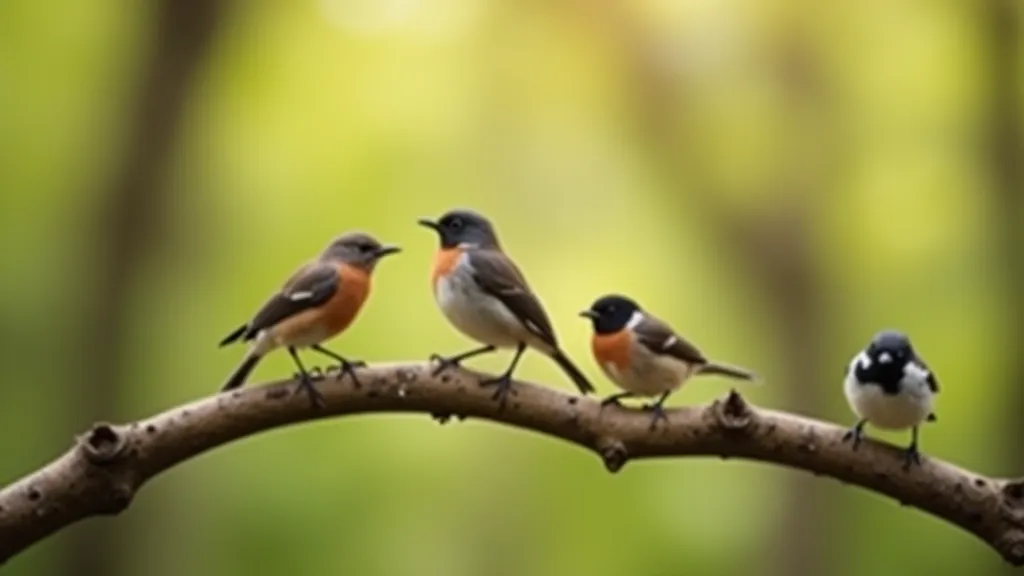
The robin is probably the most common bird you'll see. It's tame here and often comes quite close. Blackbirds are loud in early morning — their song carries across the whole reserve. If you're lucky you'll spot a tawny owl at dusk or hear its call echoing through the trees.
Smaller birds like wrens, blue tits, and great tits move in flocks. They're fast and fidgety but if you stand still for five minutes they'll come near you. The best bird-spotting happens in the first hour after sunrise or the last hour before sunset when birds are most active.
Bring binoculars if you have them, but honestly a good pair of eyes works fine for most birds here. They're close enough that you don't need magnification.
This guide provides informational and educational content about wildlife in Glengarriff Nature Reserve. Circumstances vary by season, weather, and time of day. Always respect wildlife by maintaining safe distances and following reserve guidelines. If you have specific concerns about wildlife encounters, contact the reserve visitor centre for current conditions and advice.
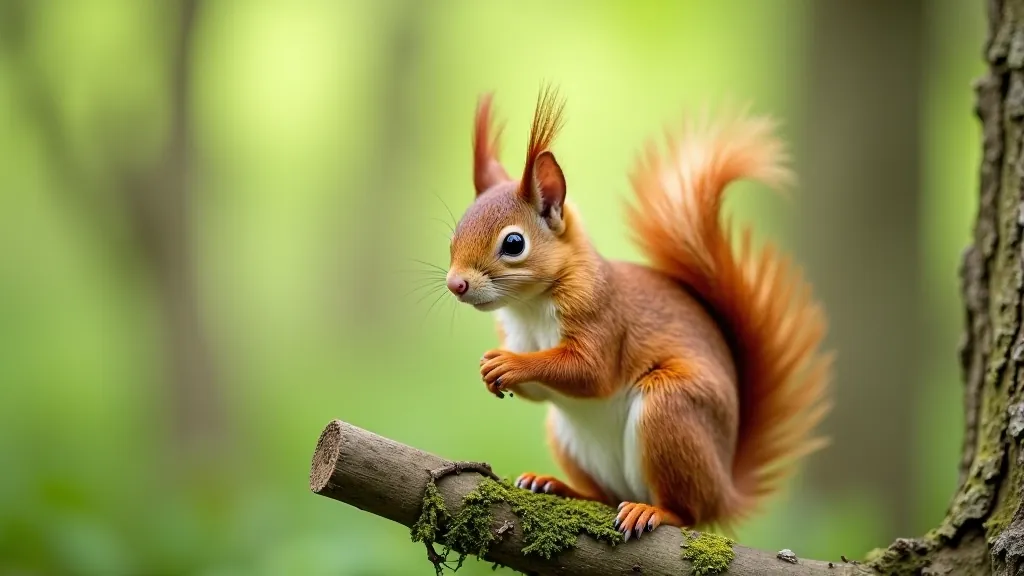
Red squirrels are probably the most exciting mammal you'll see. They're native to Ireland and you'll spot them on or near the ground looking for acorns and seeds. They're skittish though — sudden movements and they're gone. If you see one, stay still and watch. You might see two or three in an hour if you're patient.
Muntjac deer are smaller than fallow deer and they're becoming more common in Glengarriff. They make a loud barking sound that startles people at first. Early morning is best for seeing them — they come to open areas to feed. A herd of 4-6 isn't unusual.
Rabbits and hares are common but harder to spot because they're most active at dawn and dusk. You might see one bolt across the path. Badgers live here too but they're nocturnal so you won't see them during day walks. Foxes are present but rare sightings.
Here's the thing — most people walk too fast and too loudly. You're not on a fitness mission, you're on a hunt. Slow down. We're talking about 2-3 kilometers per hour, stopping every 10 minutes to listen.
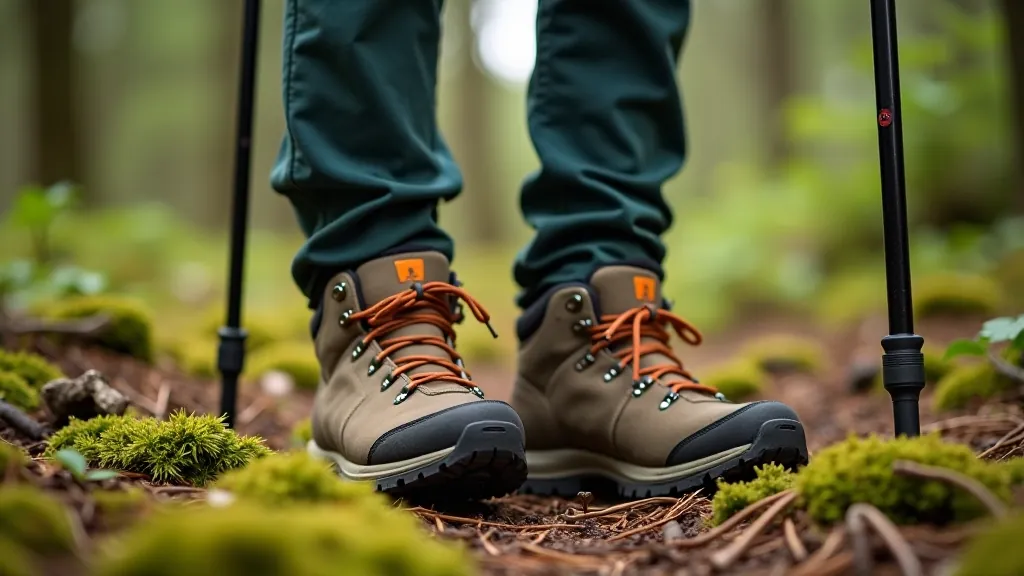
Not hiking boots that crunch on every stick. Your walking poles should be rubber-tipped, not metal.
Seriously. Voices carry far. If you're with someone, whisper or don't talk. Most wildlife has gone by the time you've had a normal conversation.
Five minutes of standing still. Close your eyes and just listen. You'll hear rustling, calls, movement. It tells you what's nearby.
Animals smell you before they see you. If you can, walk so the wind is blowing from them toward you, not the other way around.
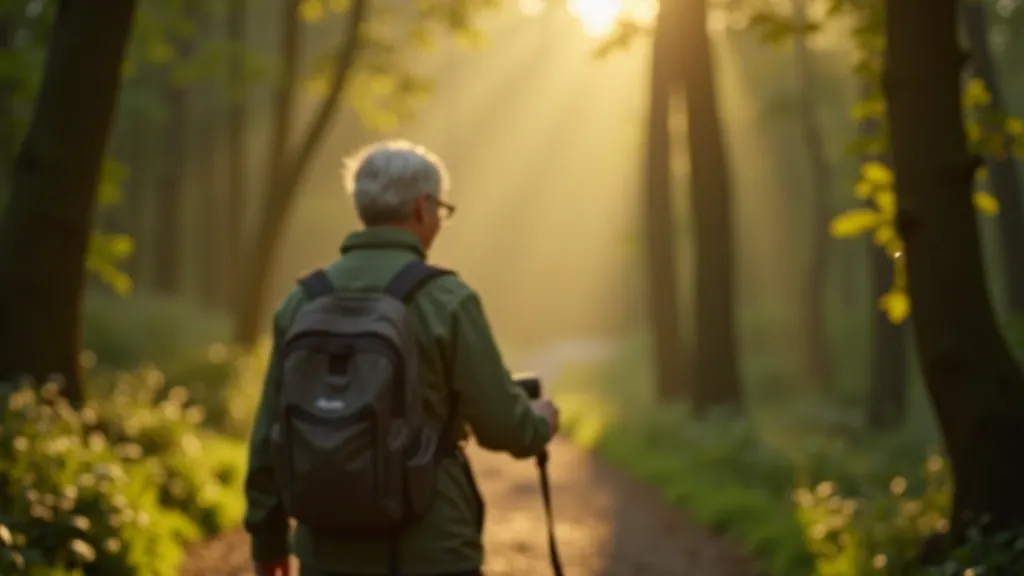
Wildlife spotting in Glengarriff doesn't require special skills or expensive gear. What it does require is patience and the willingness to move slowly. You're not rushing to complete a distance — you're exploring and observing.
The best day is when you see something unexpected. Maybe a tawny owl in the afternoon, or a deer that lets you get within 20 meters before it bolts. Those moments stick with you. Bring your binoculars if you have them. Bring a notebook if you want to record what you see. Most importantly, bring time and quiet.
Learn about the trails, what to bring, and how to plan your visit to this beautiful nature reserve.
Explore More Trails