Essential Gear and What to Bring
Proper footwear, walking poles, weather protection, and snacks. We'll cover what's actually useful versus what you don't need. Safety essentials for solo walkers.

Getting Started With the Right Gear
You don't need fancy equipment to enjoy Glengarriff's trails. Thing is, having the right basics makes a real difference in how comfortable you'll be — and that matters when you're out there for a few hours. We've seen people struggle unnecessarily because they weren't properly prepared, and we've watched others absolutely enjoy their walks simply because they brought the essentials.
This isn't about spending money. It's about being smart with what you bring. Some gear you probably already own. Other items are worth investing in because they'll last years and genuinely improve your hiking experience.
The Essential Five
- Quality walking shoes with proper ankle support
- Walking poles to reduce strain on knees and hips
- Weather-appropriate clothing in layers
- Water and energy-sustaining snacks
- Navigation tools and a way to call for help
Footwear: The Foundation of Comfort
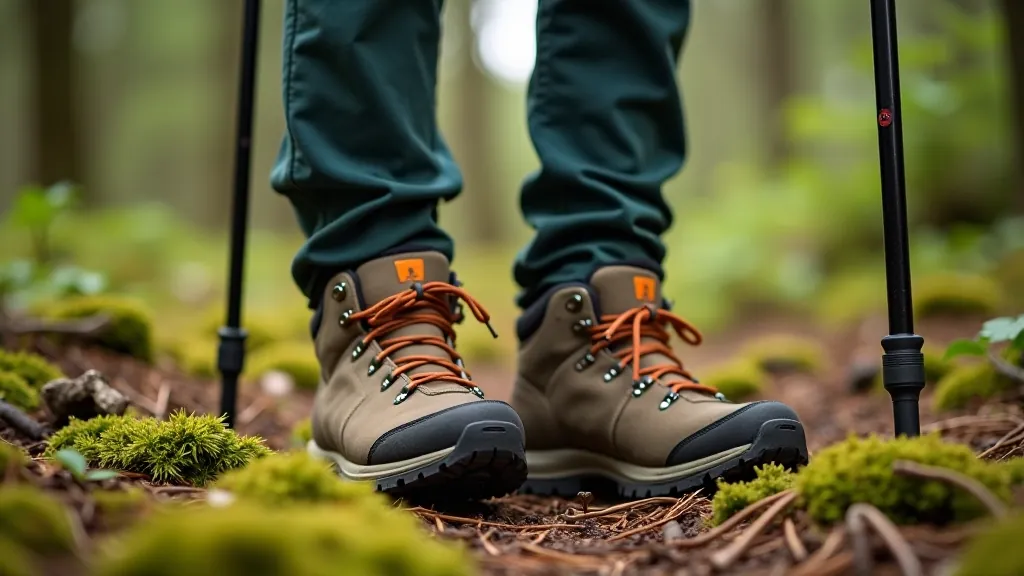
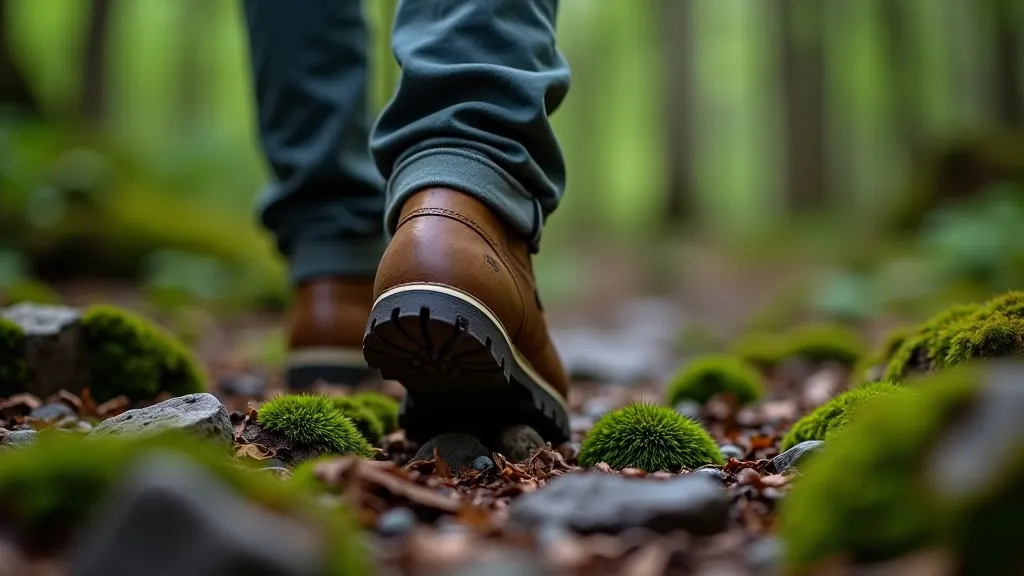
Your feet carry you for the entire walk. Don't compromise here. You'll want dedicated hiking shoes — not regular trainers. Hiking shoes have thicker, more supportive soles that absorb shock better, and they're designed with ankle stability in mind.
Look for shoes with a good grip pattern on the sole. The trails around Glengarriff can be rocky and occasionally slippery, especially after rain. You're not climbing mountains here — moderate traction is plenty. What matters more is comfort. The shoe should feel snug around the heel and midfoot but not tight across the toes.
We'd suggest waterproof or water-resistant shoes. Cork's weather changes fast. Wet feet are uncomfortable feet. If you're on a budget, regular hiking shoes plus good socks work fine — just expect wet feet on rainy days.
Pro tip:
Buy shoes a half size larger than your street size. Your feet
swell slightly during walking, and you need room for thick
hiking socks.
Walking Poles: Underrated and Invaluable
Honestly, this is the single piece of equipment that makes the biggest difference for older walkers. Walking poles reduce impact on your knees by up to 25%. That's not a small thing when you're covering 2-3 kilometers of uneven ground.
You don't need expensive poles. Standard aluminum trekking poles work perfectly. They should be adjustable so you can set them to your height — roughly 65-70% of your height is the target. Too short and they don't help. Too tall and you'll get tired quickly.
The technique is simple. Use them on downhill sections especially — they take pressure off your knees. On flat sections, they help with rhythm and balance. On uphill, they distribute effort across your whole body instead of just your legs.
Poles also make you feel more stable and confident, which matters mentally. You'll notice the difference within the first 15 minutes of walking.
Important Note
This guide provides educational information about hiking preparation. Everyone's physical condition is different. If you have knee problems, mobility concerns, or any health condition that might affect hiking, consult your doctor before attempting any trail. The trails at Glengarriff are suitable for most older adults with reasonable fitness, but individual circumstances vary.
Clothing: Layer Strategically
Forget cotton. We're not joking. Cotton absorbs sweat and stays wet, which makes you cold. Instead, wear synthetic or merino wool layers that wick moisture away.
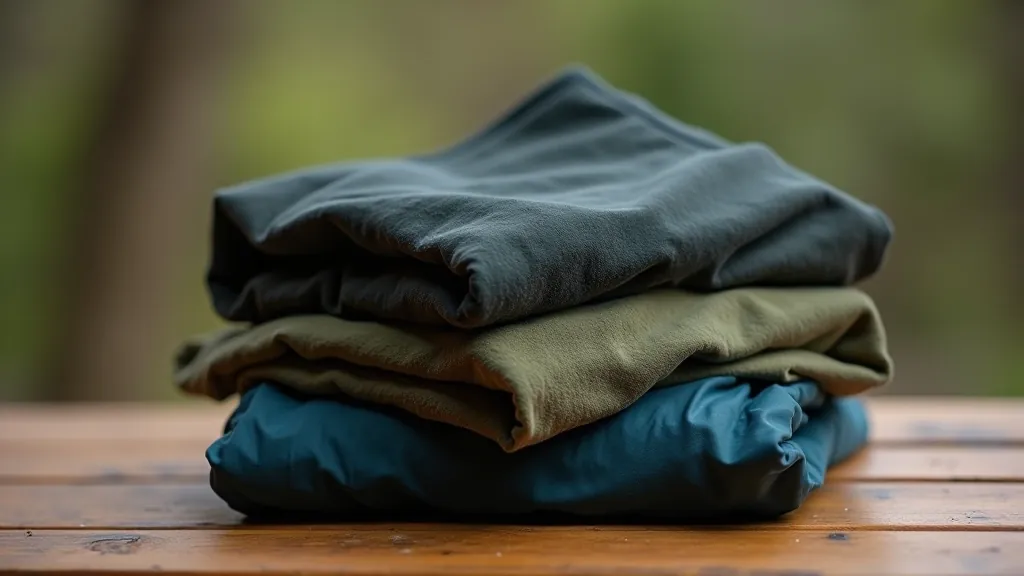
The approach is simple: three layers. Base layer (synthetic shirt), mid layer (fleece or lightweight sweater), and outer layer (windproof jacket). You can remove or add layers as you warm up or cool down. Most of the year in Cork, you'll start with all three, remove the mid-layer within 20 minutes of walking, and put it back on once you stop.
A hat and gloves are essential even in spring and autumn. You lose a lot of heat from your head and hands. A waterproof or water-resistant jacket is worth its weight. Rain comes without warning in Glengarriff.
Water and Snacks: Fuel for the Journey
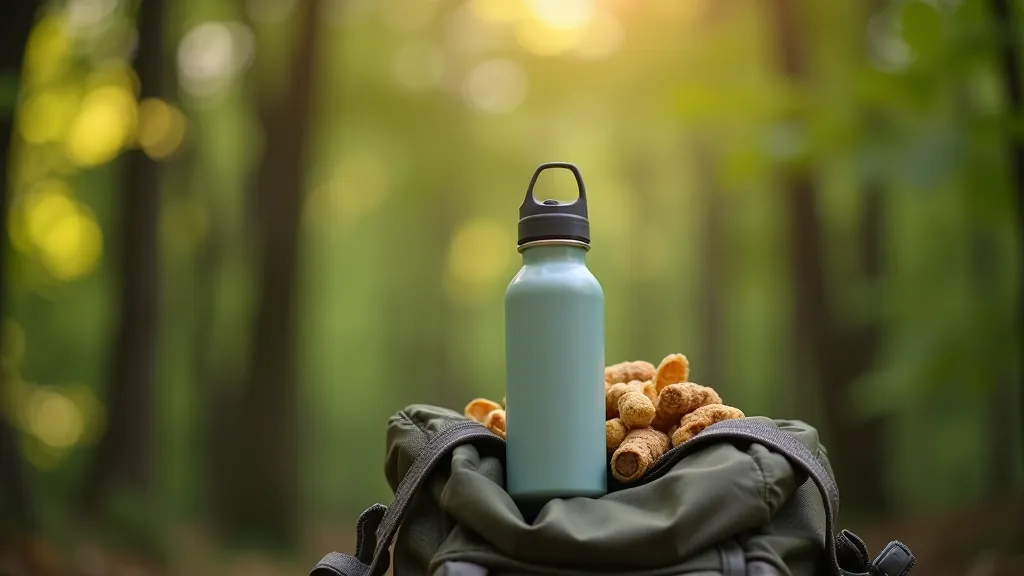
Bring more water than you think you'll need. A 1.5-liter bottle is the minimum. You'll be surprised how much you drink when you're walking in fresh air. Dehydration sneaks up on you — you might not feel thirsty until you're already dehydrated.
For a 2-3 hour walk, bring snacks that sustain energy without being heavy. Trail mix, granola bars, dried fruit, and nuts work brilliantly. Avoid chocolate unless it's a cool day — it'll melt in your pocket. A banana or apple is perfect too.
Eat small amounts regularly rather than one big snack. This keeps your energy stable. Stop for 10 minutes, have some water and a snack, and you'll feel completely refreshed for the next section.
Safety Essentials You Can't Skip
Mobile Phone
Even if you don't normally carry one, bring your phone. It doesn't need signal everywhere — emergency services can locate you. Keep it in a waterproof bag.
Navigation
Trails are well-marked at Glengarriff, but carry a simple map anyway. You can download offline maps on your phone if you prefer. Know which direction you're heading.
First Aid Kit
A small kit with plasters, pain relief, and blister treatment is lightweight but incredibly useful. Blisters and minor cuts happen. Address them immediately.
Sunscreen & Insect Repellent
Sun exposure adds up quickly on a walk. A small sunscreen bottle weighs nothing. Midges can be annoying in summer — a lightweight repellent helps.
The Reality Check
You don't need to spend hundreds of euros. Most of this gear is affordable. What matters is that you actually bring it and use it. We've seen people invest in fancy equipment they never take out of the house, and we've seen others do brilliant walks in basic, well-chosen gear.
Start with the essentials. Once you've done a few walks, you'll know what you actually need versus what seemed important in theory. That's when you can upgrade or add specialty items.
The trails at Glengarriff are accessible and rewarding. With proper gear, you'll be comfortable, safe, and genuinely enjoy yourself. That's the whole point.
Related Trail Guides